Every oil and gas asset passes through the same broad stages. The reservoir is studied, wells are planned and drilled, production begins, and the asset is then operated and maintained for many years. Decisions made early shape the cost, safety and output of everything that follows.
At Cavernous Energy Limited, we work across these stages as one connected team. Our services cover petroleum geosciences, well engineering, production operations, and health, safety and environment (HSE) with corporate social responsibility (CSR). Below, we explain how each part contributes to responsible energy development in Nigeria.
1. Start with the subsurface
Understanding the reservoir comes before a single well is drilled. Petroleum geosciences turns seismic, well and production data into a picture of where the hydrocarbons are, how much may be recoverable and how the reservoir is likely to behave over time.
Our geosciences work covers:
- Asset evaluation. Estimating the value and risks of a field before investment decisions are made.
- 3D static modelling. Describing the structure, rock properties and fluid contacts of the reservoir.
- 3D dynamic modelling. Simulating how fluids move through the reservoir as the field is produced.
- Field development planning. Setting out the number, type and location of wells and the facilities needed to support them.
A good model does not remove uncertainty, but it makes the uncertainty visible. That lets an operator compare development options on a clear basis and avoid costly surprises later.

2. Wells designed for the ground they are drilled in
Wells are among the largest costs in most field developments, and they are where safety risks are most concentrated. Good well engineering starts with the geology. Formation pressure, rock strength and the type of fluid expected all influence casing design, drilling fluid weight, cementing and completion choices.
We provide well engineering for onshore and offshore operations, from design through completion. This includes well design and planning, drilling programmes, and the management of onshore and offshore drilling. The aim is simple. A well should be delivered safely, reach its target and be completed so that it produces as planned for many years.
Careful planning reduces non-productive time, which is time on the rig when the well is not making progress. It also lowers the chance of well control incidents, which protects people, the environment and the asset.
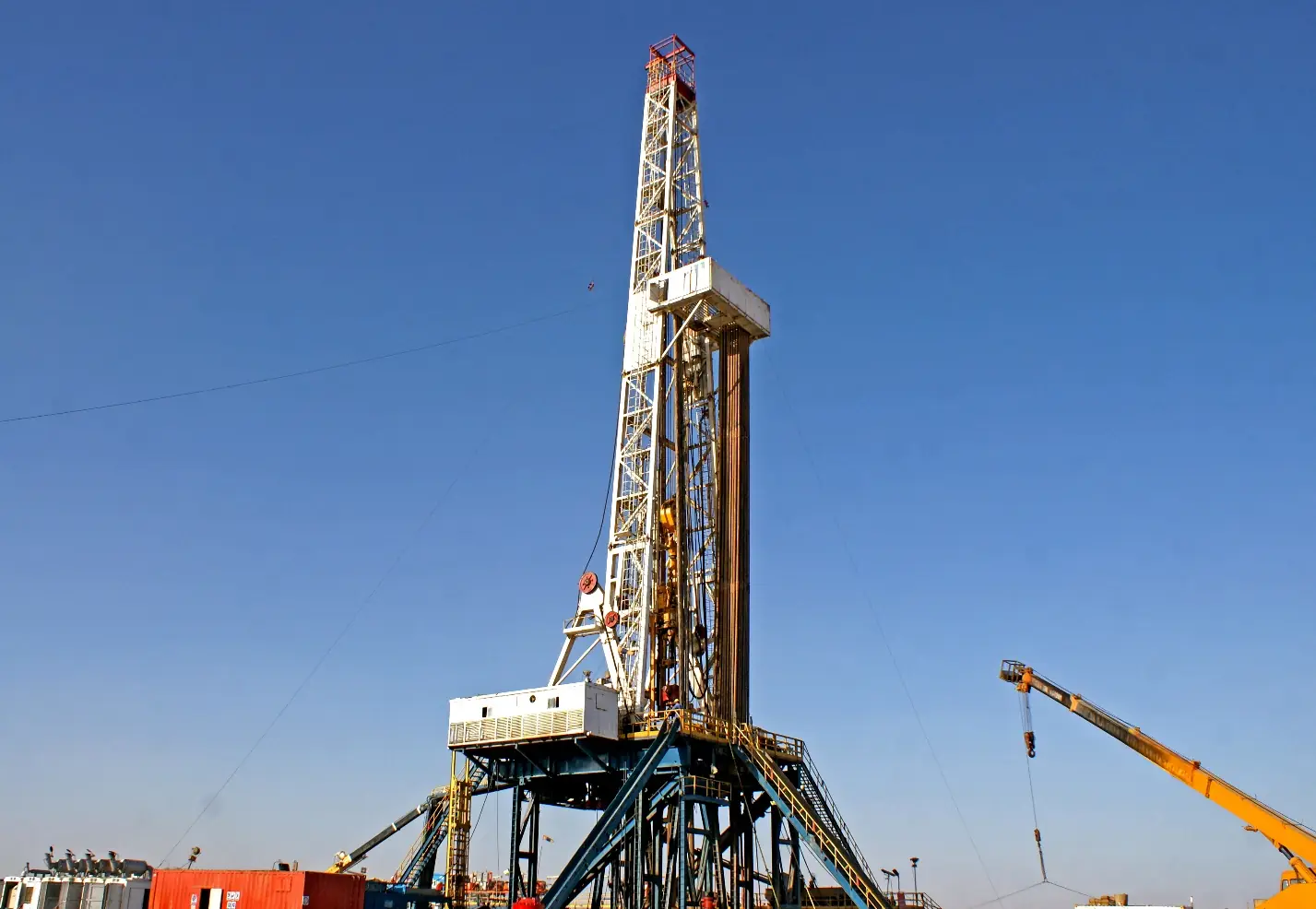
Decisions made at the start of an asset’s life shape its cost, safety and output for decades.
3. Production operations that protect uptime
Once a field is producing, the focus moves to keeping it safe, reliable and performing. Small problems that are missed, such as a slow fall in well rates, rising water production or equipment wear, can grow into lost production or safety incidents.
Our production operations services cover hydrocarbon extraction, continuous asset monitoring, maintenance and production optimisation. Monitoring helps teams see changes early. Planned maintenance helps equipment last longer and reduces unplanned shutdowns. Optimisation looks for practical gains from existing wells and facilities before new capital is spent.
4. Safety, environment and community in every project
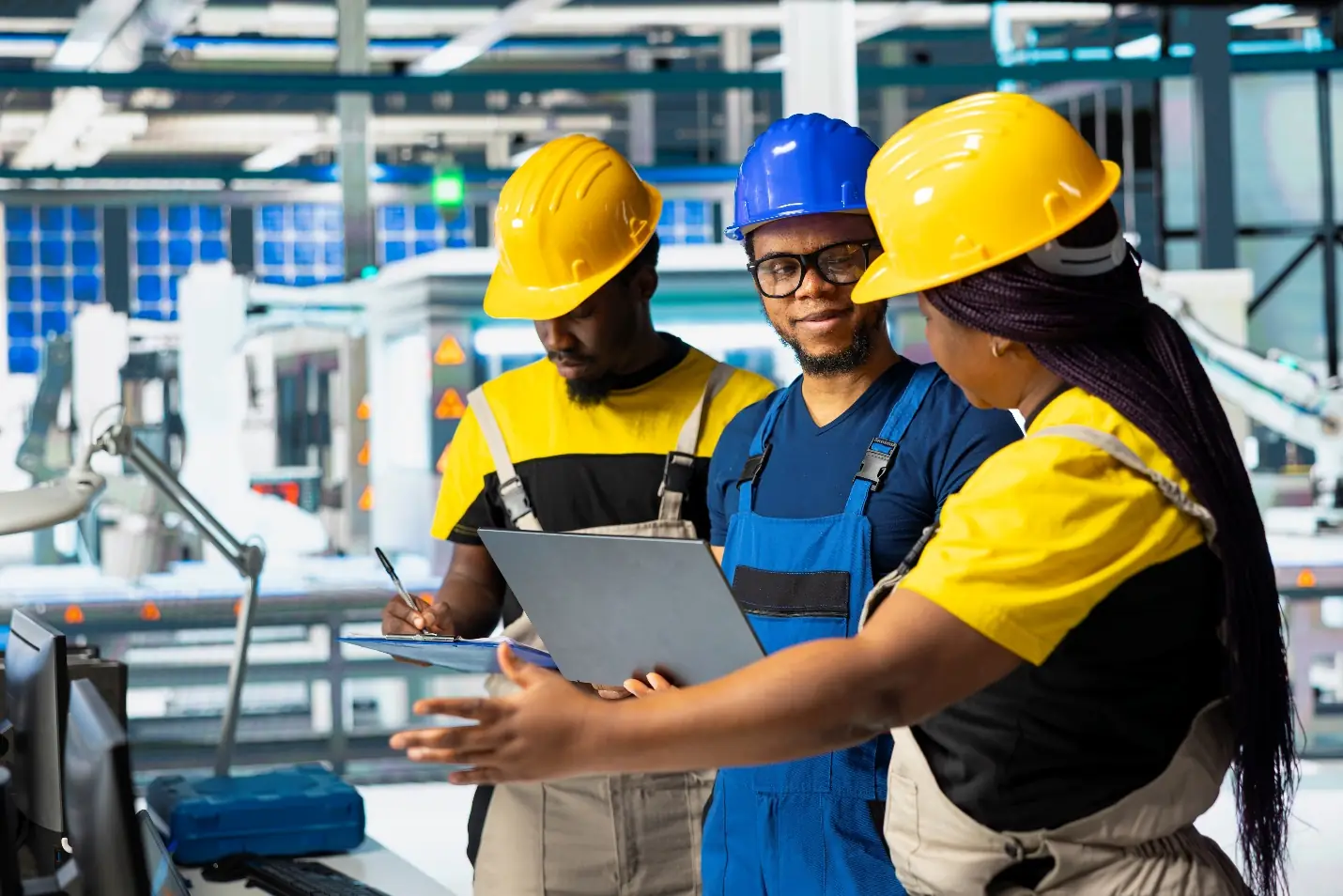
Responsible energy development means more than meeting production targets. Workers must go home safe, the environment must be protected and host communities should benefit from the activity around them.
Our HSE and CSR work includes HSE management systems, risk assessment and community engagement. These are built into each project from the start, not added at the end. As a Nigerian company, we also invest in local talent and work closely with the communities that host our operations.
Practical steps for operators
Whatever the size of the asset, these habits help operators get more from each stage:
- Invest early in subsurface work. Time spent on data and models before drilling usually costs far less than a poorly placed well.
- Plan wells from the geology up. Build each design around the formation pressures, rock strength and fluids expected.
- Monitor continuously. Track well and equipment performance so that changes are seen early.
- Train people regularly. Keep staff current on safety procedures and new technology.
- Choose cleaner, more efficient technology. Favour equipment and methods that cut waste and environmental impact.
- Engage communities from the start. Early, honest engagement builds trust and reduces disruption.
Key takeaways
- The best results come when geosciences, wells, production and HSE work as one team.
- Good subsurface models make risks visible before money is spent.
- Well designs should start from the geology.
- Monitoring and planned maintenance protect uptime and extend asset life.
- Safety and community engagement belong in every project from day one.
Conclusion
Responsible energy development is a chain of good decisions, from the first look at the subsurface to many years of steady production. When each link is strong, operators gain safer operations, more reliable output and better relationships with the communities around them. That is the approach we bring to every project at Cavernous Energy Limited.